Aaron Kingslien — Portfolio

01

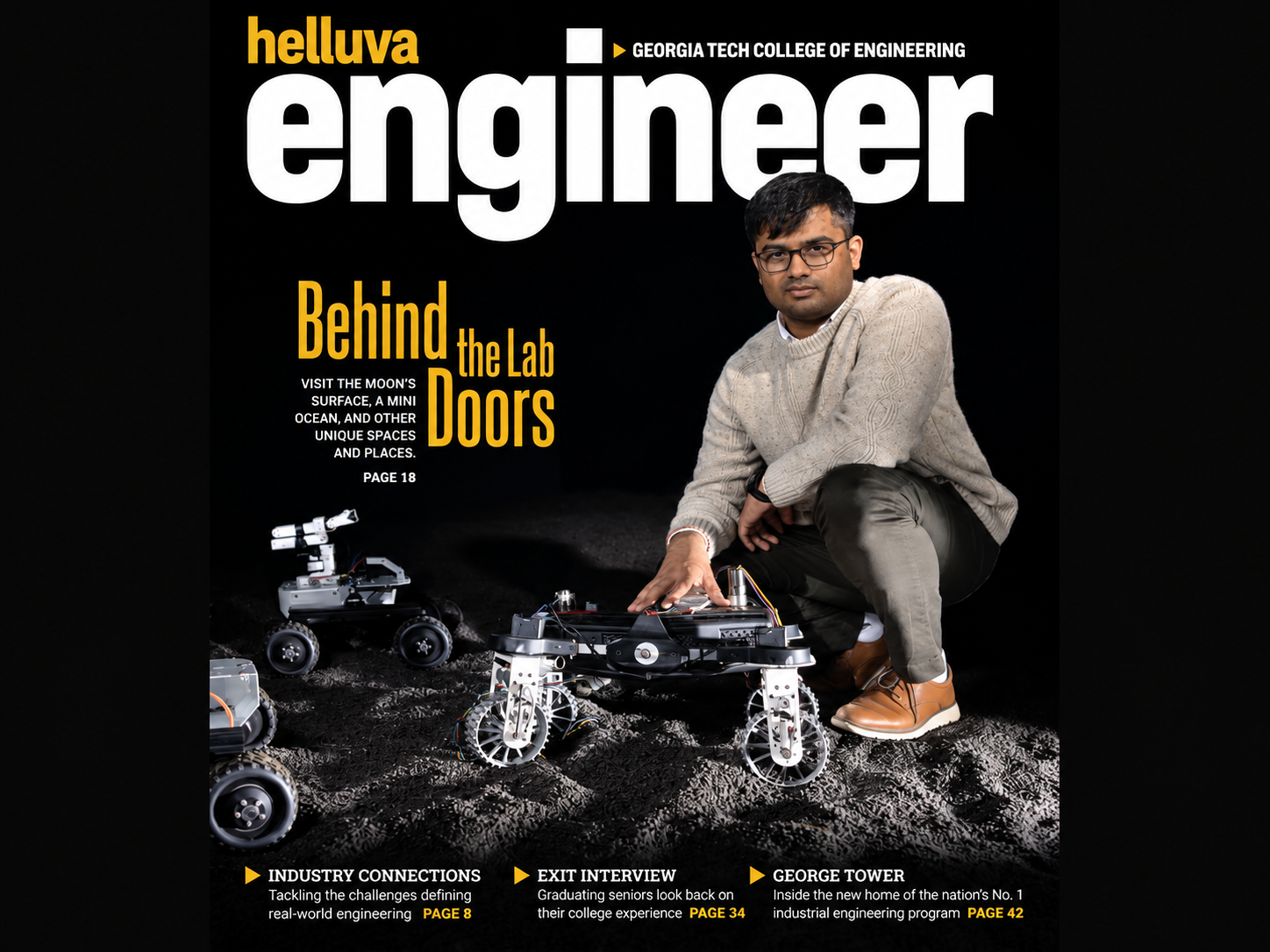
Lunar Rover Chassis and Drivetrain

Independently redesigned, manufactured, and assembled a complete rover to reduce mass, improve serviceability, and increase terrain capability.
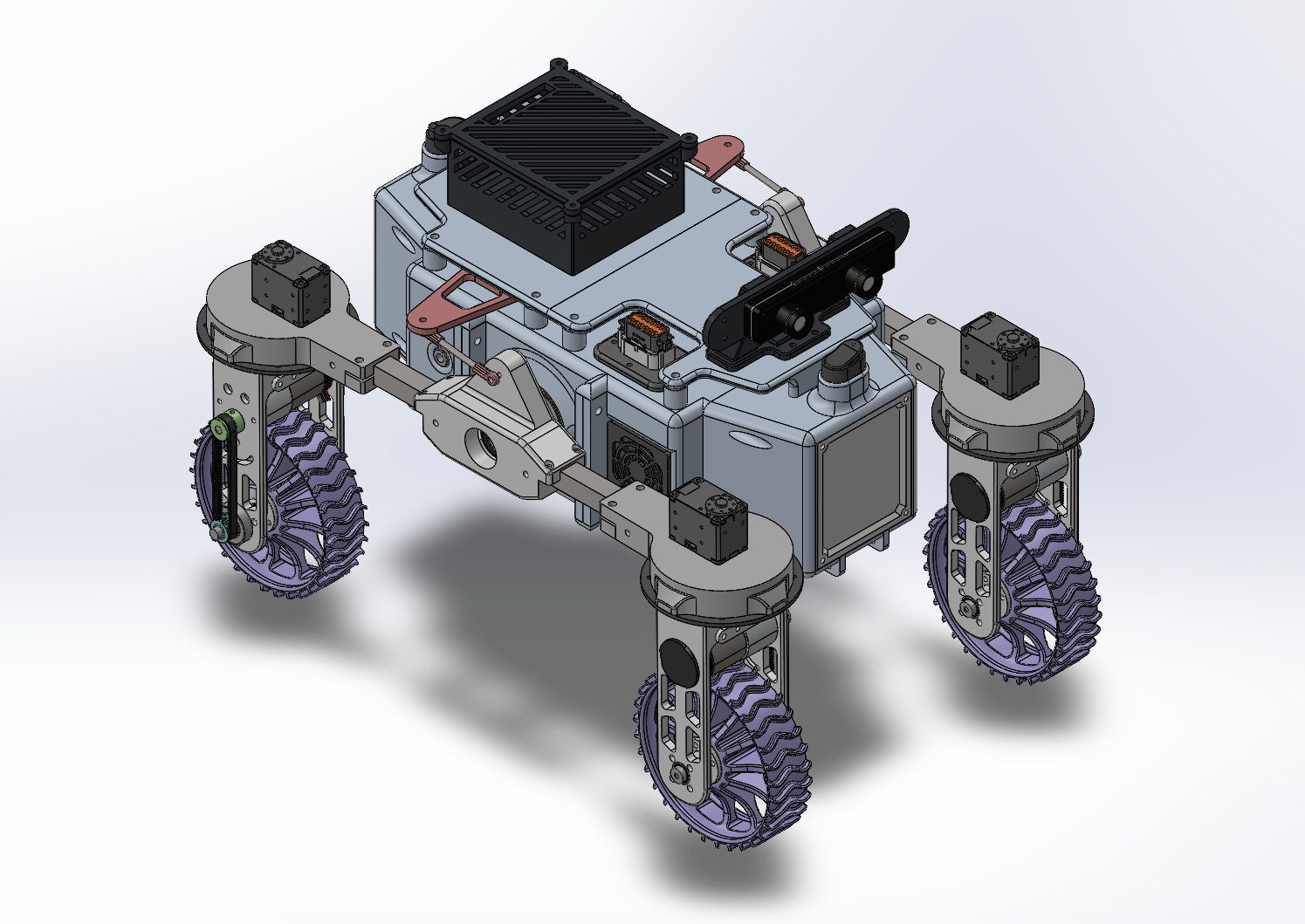
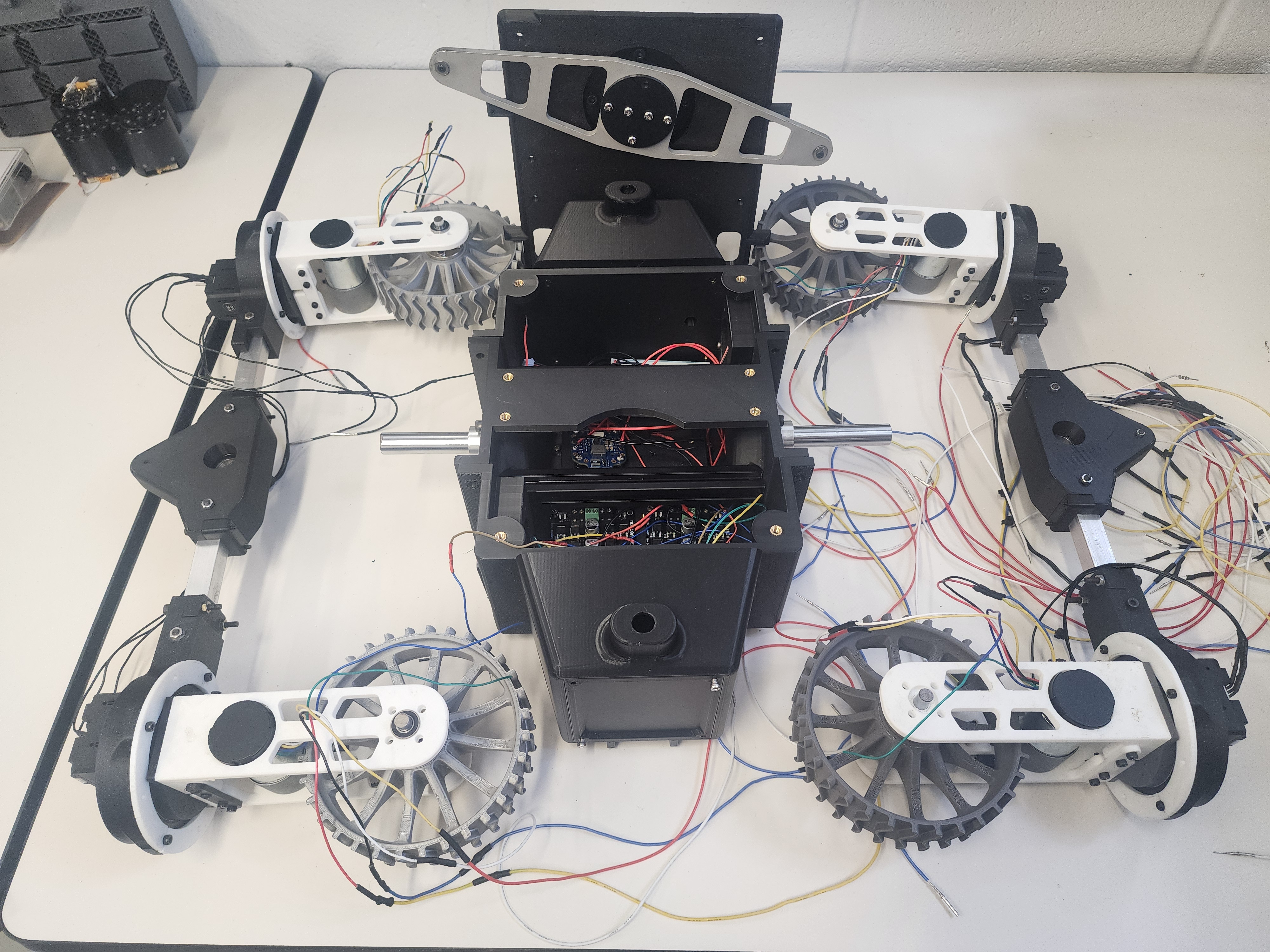
Before coming into the Aerospace Robotics Lab, the original rover was unoptimized as a research platform due to excess mass and difficult internal access. I treated the chassis, drivetrain, electronics, wiring, and removable hardware as one connected system rather than isolated components, which allowed me to consider its ease of assembly and maintenance.

A complete digital assembly allowed me to validate packaging, fastener access, tool clearance, cable routing, and assembly order before manufacturing. I then carried the design through fabrication, electrical integration, troubleshooting, and operational testing.

01

Architecture

Rebuilt the chassis around the components we intended to preserve while accounting for updated loading conditions and manufacturing constraints.

02

Mobility

Revised drivetrain geometry to improve traction and torque using a combination of published research and previous experimental data.

03

Accessibility

Improved access to electronics and removable components, primarily due to a central bracket that allowed the rover to be disassembled into two halves.

20% lower mass
23° → 42° maximum climbing angle
1,000+ CAD components

Tools and Skills Used: SolidWorks · Design for Manufacturability · Mechanical Assembly · Electrical Integration · Rapid Prototyping
02

Design/Build/Fly Propulsion

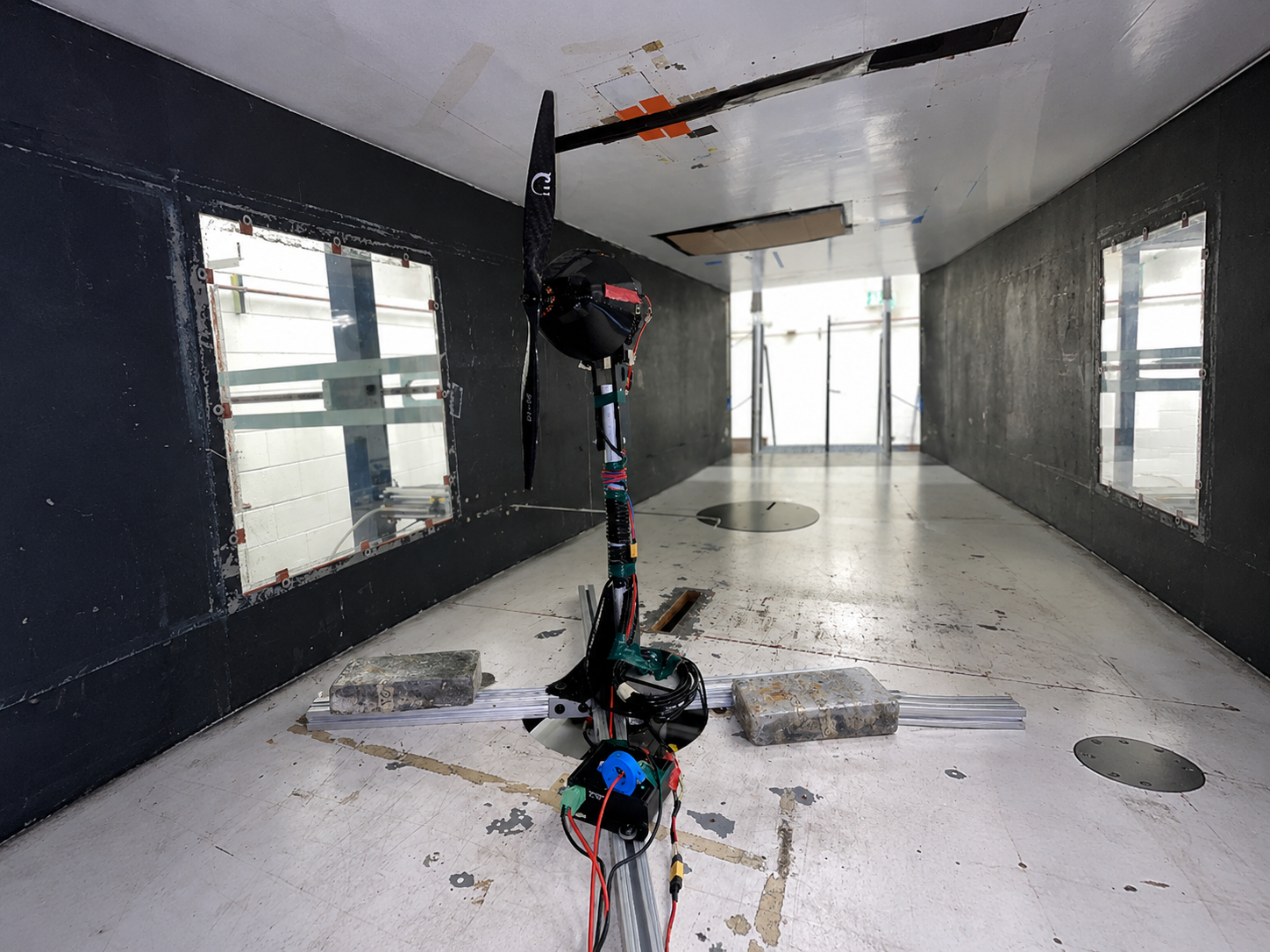
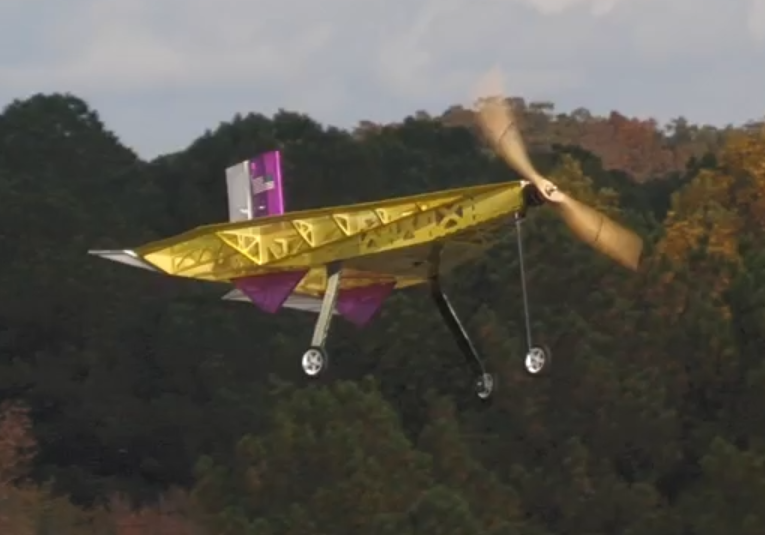
Led propulsion analysis, component selection, testing, and aircraft integration for a competition aircraft that placed first in flight performance.

Propulsion performance had to be balanced with mass optimizations, a 450 W power limit, and the needs of other subsystems. My job was to deliver the strongest integrated system for the competition mission while leading a propulsion team and maintaining a constant line of communication with other subteams.

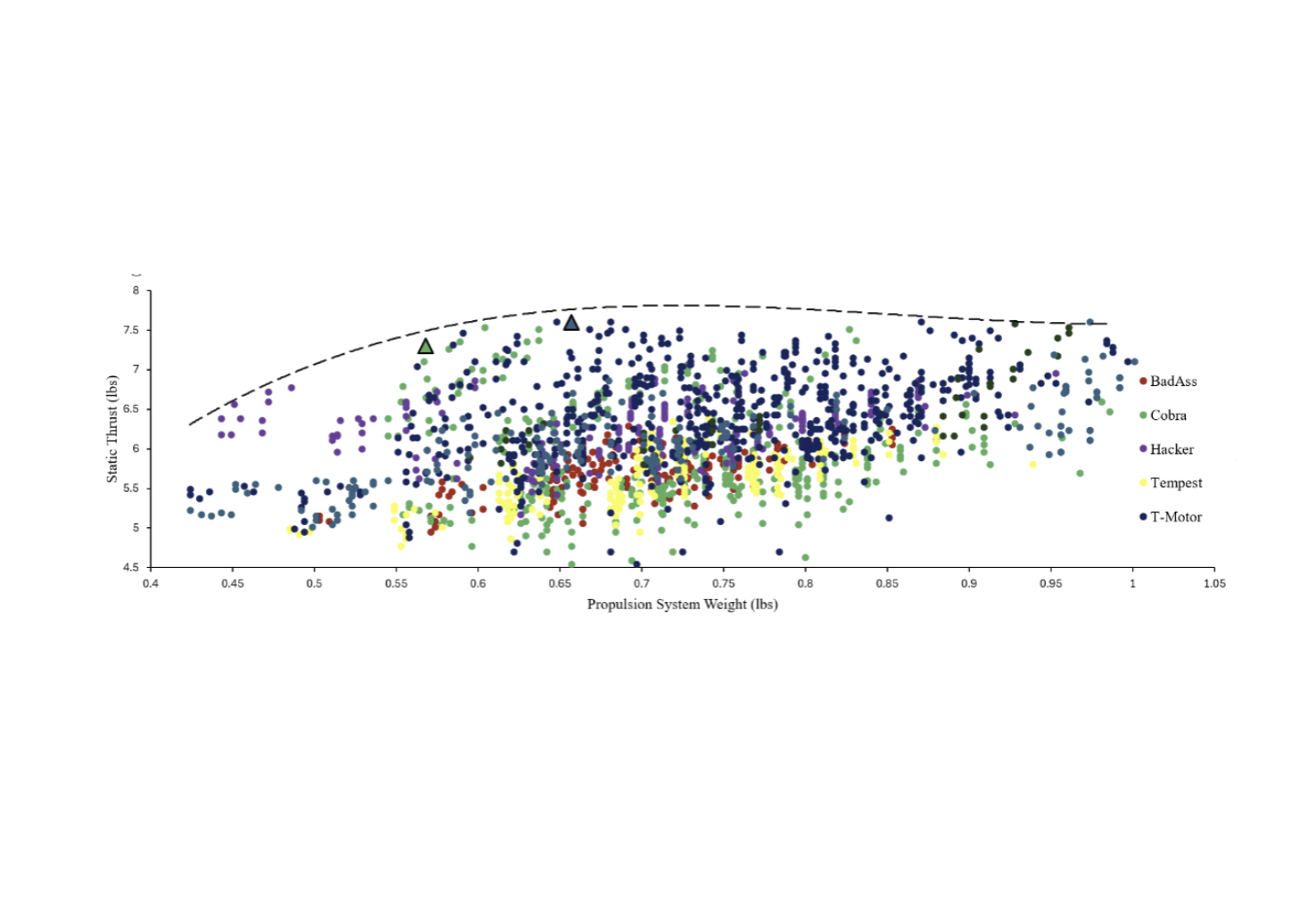
For each design cycle, I ran a trajectory driver simulation with an in-house tool I helped optimize called Whitmore, which calculates millions of propulsion performance scenarios based on motors, propellers, and batteries. I then took the top 3 outputs and ran static and dynamic thrust testing in Georgia Tech's wind tunnel to validate the results and inform my final selection. When allocated a new subsystem mass, I maintained backup propulsion configurations that could be swapped in to meet the revised requirements.

01

Modeling

Optimized a trajectory driver to evaluate the best propulsion configurations for the highest competition score with a given subsystem mass.

02

Selection

Confirmed requirements with the team lead and selected the top 3 models from the trajectory driver for testing.

03

Validation

Combined static and dynamic measurements in Georgia Tech's wind tunnel coupled with more than 100 developmental flight tests.

1st flight competition
+18% thrust-to-weight ratio
100+ flight tests

Tools and Skills Used: Whitmore Trajectory Driver · Propulsion Modeling · Wind Tunnel Testing · Static and Dynamic Thrust Testing · Flight Testing

03

NASA Zero-G Research

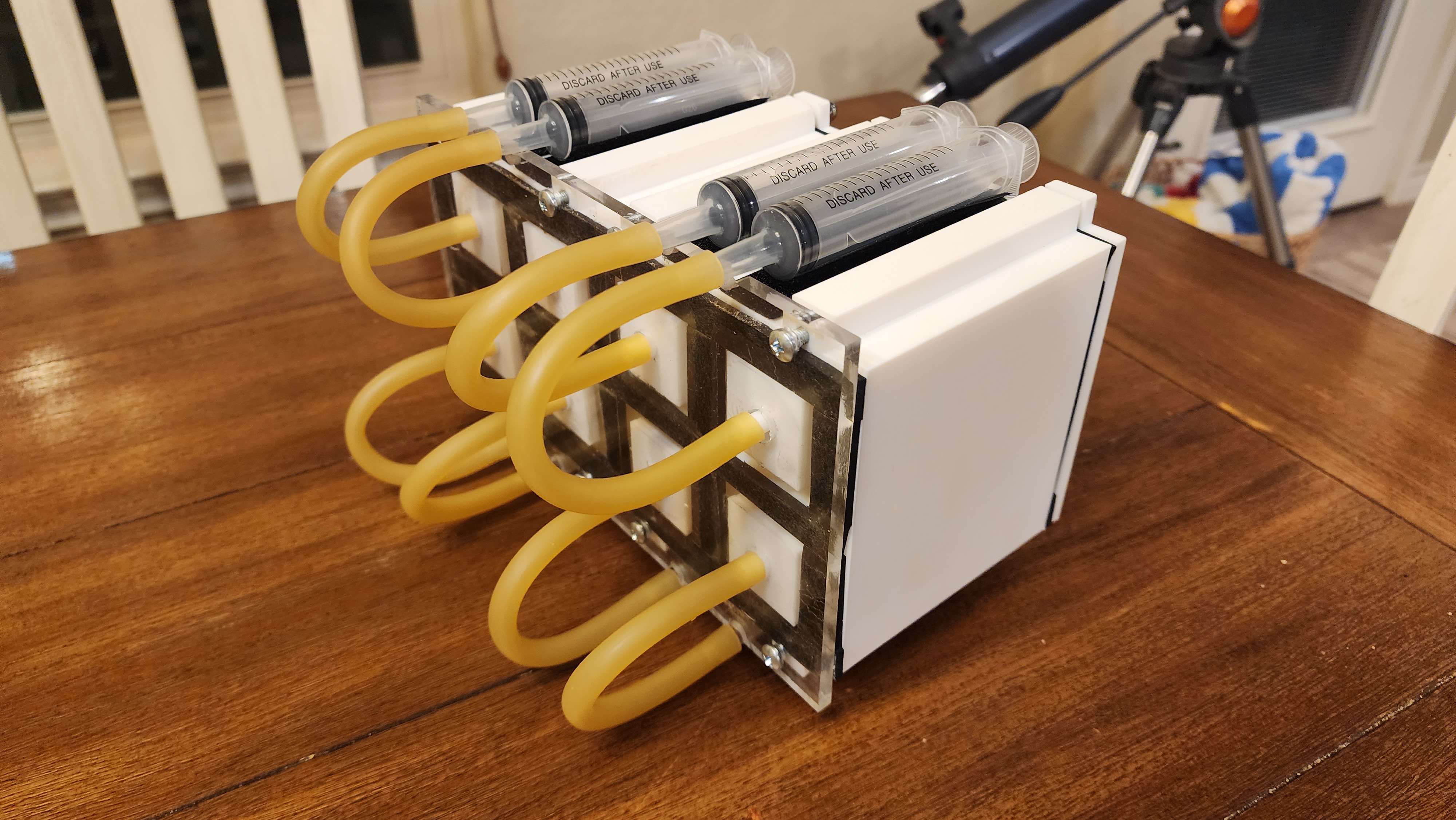
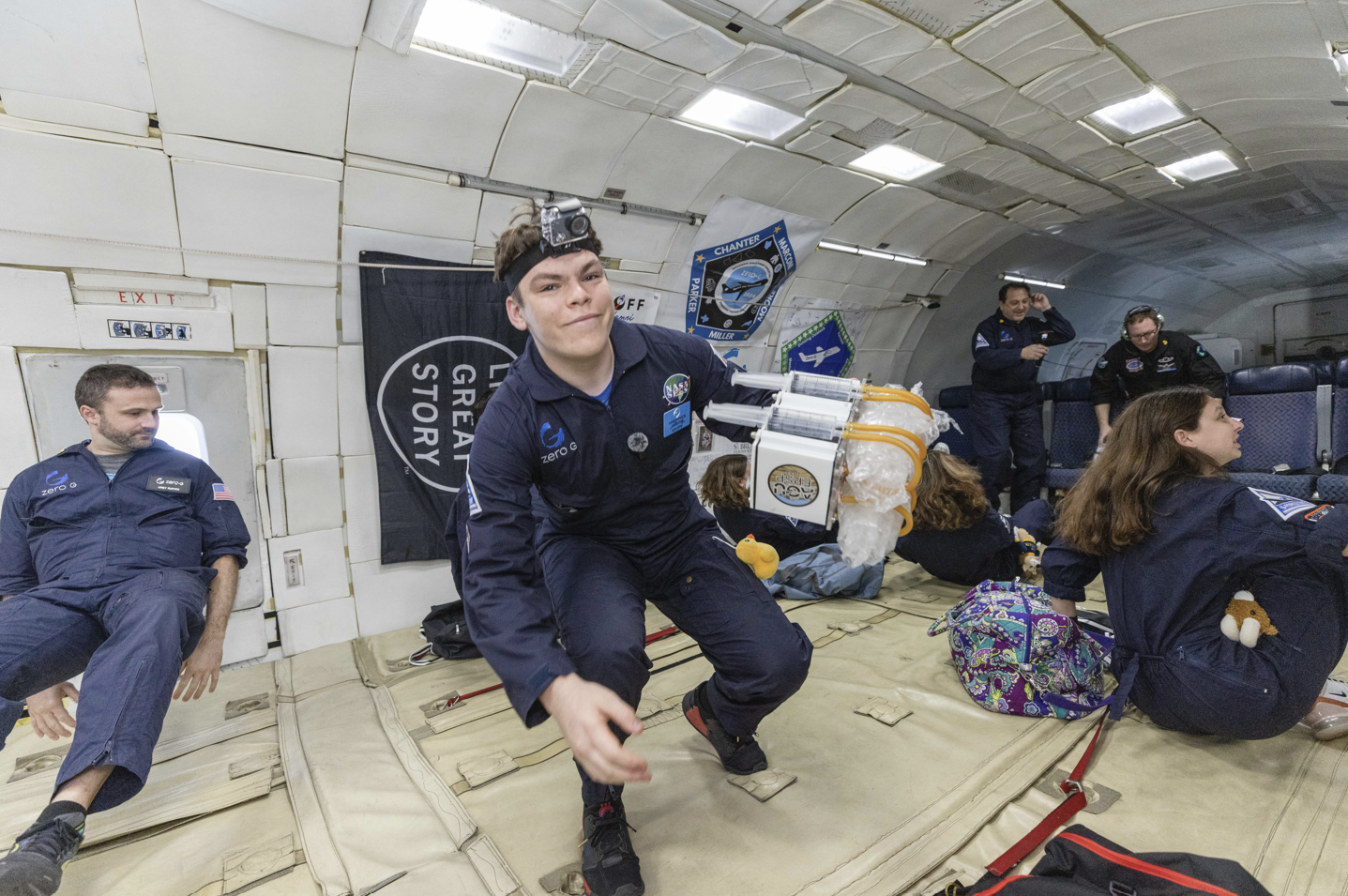
Designed and flight-tested a lunar dust mitigation experiment that evaluated spacesuit materials across reduced-gravity environments.

When I was given a $10,000 grant from NASA to design a lunar dust mitigation experiment as a part of their Zero-G program, I was given a 50 lb weight limit and goal to test 4 materials across 4 environments: Earth, Mars, Moon, and microgravity. The objective was to simulate a planetary dust storm and evaluate the adhesion-resistance of different spacesuit fabrics.

However, after completing the CAD and beginning the assembly, a new weight limit of 5 lb was imposed by the Zero-G aircraft safety team 3 weeks before the flight. I had to quickly redesign the apparatus to meet the new weight limit while still meeting the original research goals.

I was ultimately able to successfully flight test all 16 combinations of fabrics and gravity/dust environments, and the results were consistent with the Artemis mission's use of Kevlar.

01

Packaging

Fit the apparatus within strict mass, volume, and aircraft-safety constraints.

02

Containment

Prevented lunar simulant from escaping during rapidly changing gravity and pressure conditions.

03

Repeatability

Developed controlled trials for comparing materials across gravity environments.

5 lb apparatus constraint
4 gravity environments
16 flight-tested trials

Tools and Skills Used: SolidWorks · Experimental Design · Rapid Redesign · Mechanical Assembly · Microgravity Flight Testing

04

AeroLatch: Autonomous Aerial Docking

Developing a compact latching mechanism for mid-air UAV assembly, separation, and autonomous battery exchange.

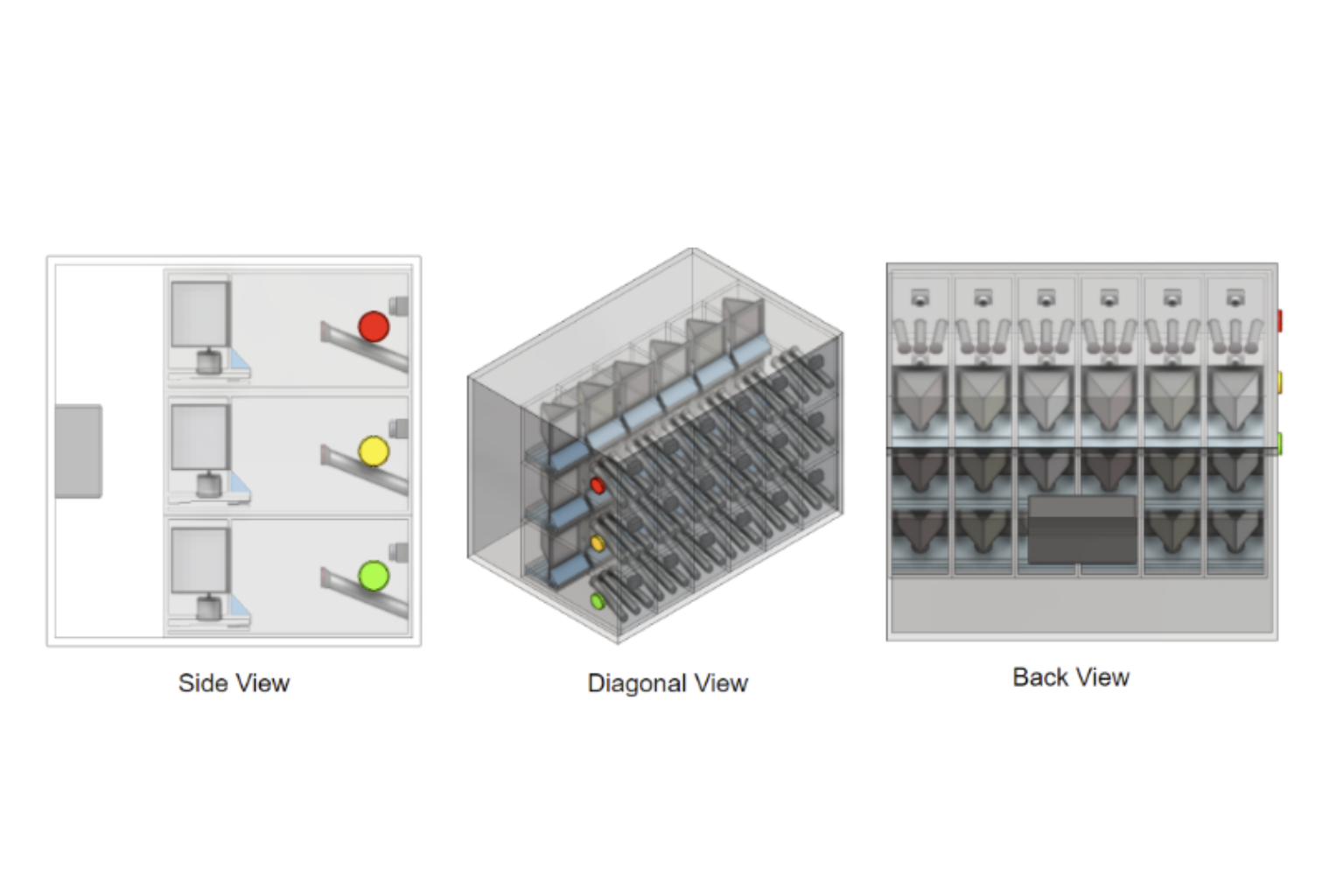
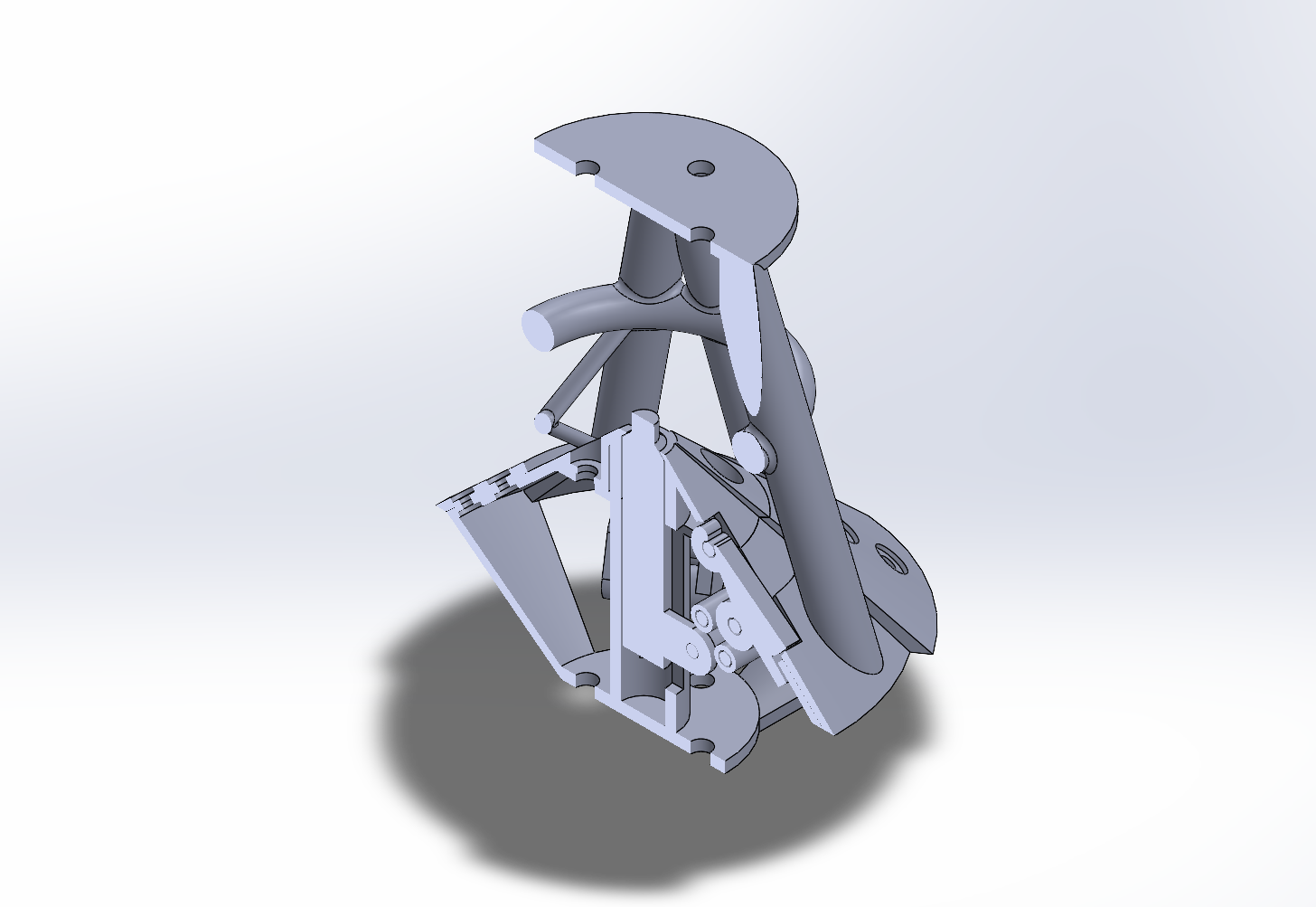
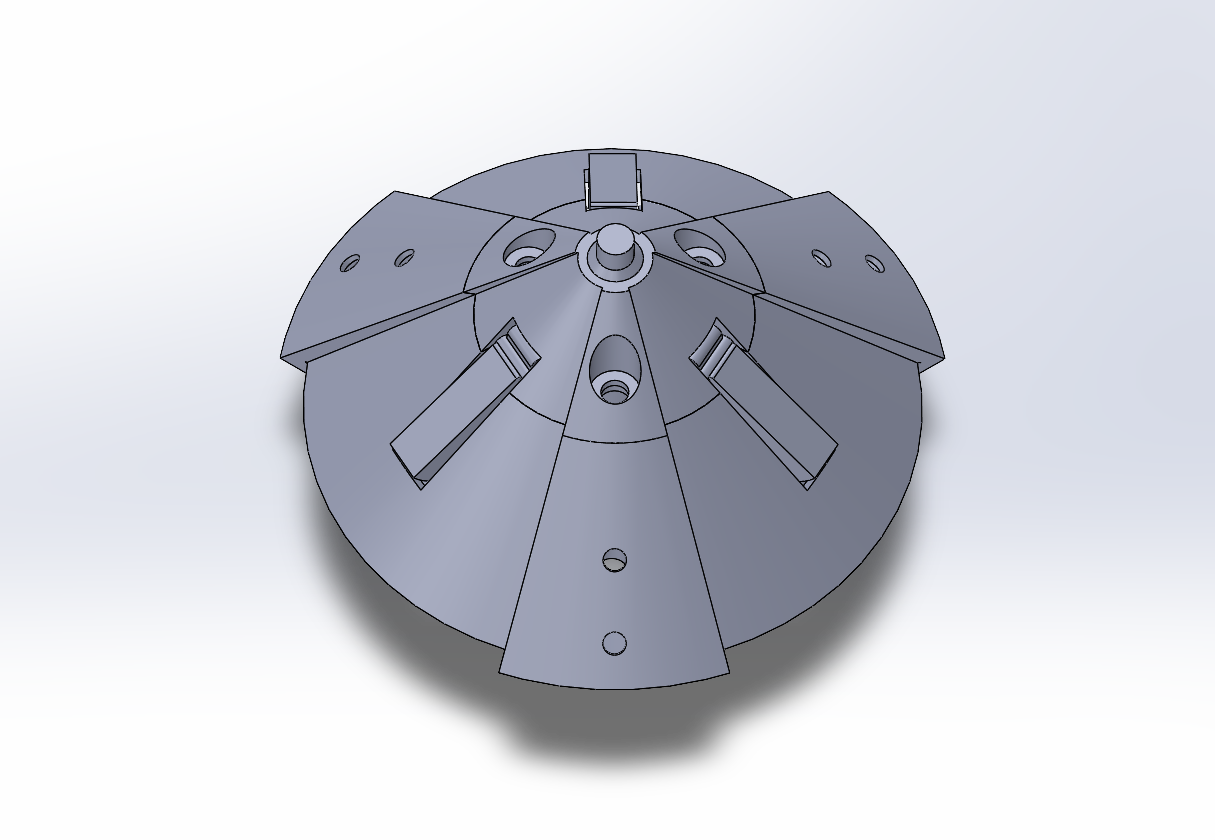
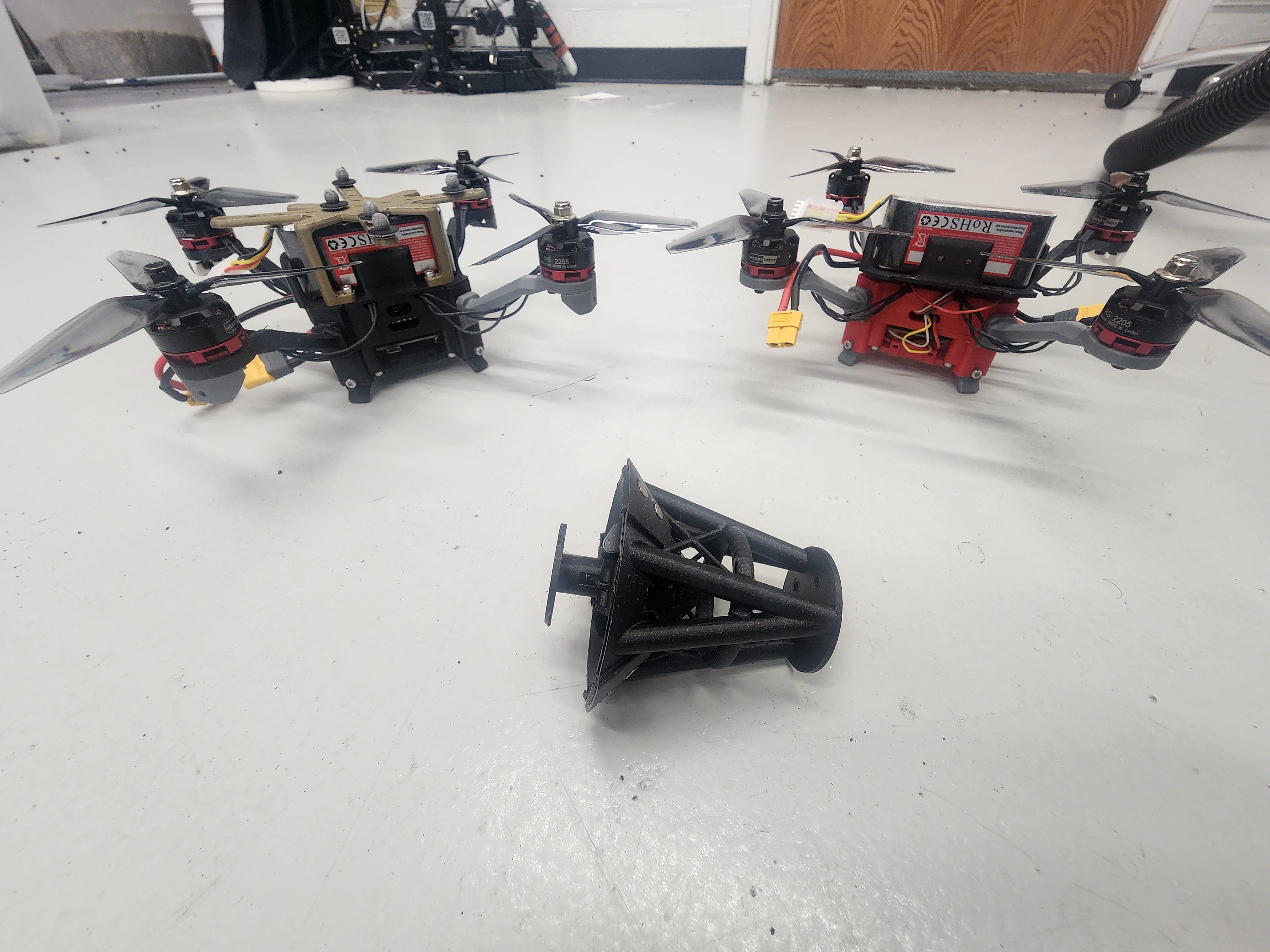
I am leading an ongoing project at the Aerospace Robotics Lab called AeroLatch, which is developing a compact latching mechanism that allows multiple drones to assemble and separate in mid-air with the use of only a micro-solenoid actuator.

The latch works by the solenoid of the female component pressing the spring-loaded piston of the male, which retracts the levers holding the system in place. Currently, I have successfully tested the latch in isolation and am waiting on a coordinate accuracy fix from the controls team to begin testing the latch in flight.

After proving the concept with an assembly of 4 drones, I will work on the world's first autonomous battery exchange system, which will allow a drone to land on a second drone and swap batteries in mid-air. This could substantially extend operational flight time for drones, which can increase the feasibility of city-based drone delivery services.

01

Latching

Levers mechanically retract and snap back into place to secure the male and female through a spring-loaded piston.

02

Actuation

Minimized scale and actuation force to allow a single, 5 N micro-solenoid to actuate the latch.

03

Integration

Designed around UAV geometry, alignment, electrical interfaces, and battery removal.

3 mm release stroke
5 N actuation target
<1 mm alignment tolerance

Tools and Skills Used: SolidWorks · Mechanism Design · Tolerance Analysis · Rapid Prototyping · Electromechanical Integration

Let’s connect

Interested in the work behind the results?

I am always interested in connecting with engineers, researchers, and teams working on ambitious aerospace and robotics challenges.